Advanced Control Systems for Tube Forming Operations
Tube forming operations are a critical process in various industries, including automotive, aerospace, and manufacturing. These operations involve shaping metal tubes into desired shapes and sizes, often requiring high precision and efficiency. Advanced control systems play a crucial role in optimizing tube forming operations, ensuring quality output, reducing waste, and enhancing overall productivity.
Enhancing Precision with Automated Control Systems
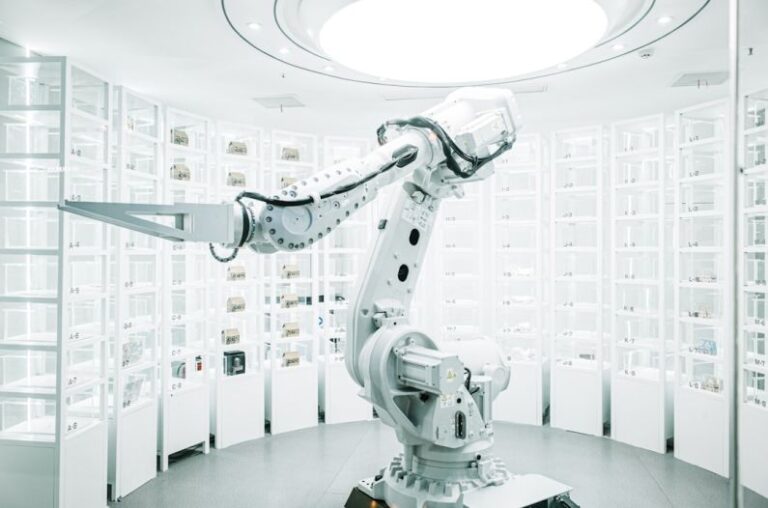
In tube forming operations, precision is paramount to ensure the final product meets the required specifications. Advanced control systems leverage automation and real-time monitoring to enhance precision during the forming process. By using sensors and feedback mechanisms, these systems can continuously adjust parameters such as pressure, temperature, and speed to maintain consistent quality throughout the operation. This level of precision is difficult to achieve manually and can significantly improve the overall efficiency of tube forming processes.
Optimizing Efficiency with Adaptive Control Algorithms
Adaptive control algorithms are a key component of advanced control systems for tube forming operations. These algorithms continuously analyze data from the forming process and adjust control parameters in real time to optimize efficiency. By adapting to changes in material properties, tool wear, or environmental conditions, adaptive control systems can ensure consistent product quality while minimizing waste and reducing production costs. This dynamic approach to control allows manufacturers to achieve higher throughput rates and improve overall process efficiency.
Improving Quality Control with In-Line Inspection Systems
Quality control is essential in tube forming operations to detect defects or irregularities that could compromise the integrity of the final product. In-line inspection systems integrated into advanced control systems can provide real-time feedback on key quality metrics, such as dimensional accuracy, surface finish, and material integrity. By combining inspection data with control algorithms, manufacturers can identify and correct issues immediately, reducing the likelihood of producing defective parts and ensuring consistent quality across batches.
Enhancing Flexibility with Multi-Objective Optimization
Multi-objective optimization is a powerful feature of advanced control systems that allows manufacturers to balance competing priorities, such as quality, productivity, and cost, in tube forming operations. By defining multiple objectives and constraints, optimization algorithms can generate optimal control strategies that maximize overall performance. This flexibility enables manufacturers to adapt quickly to changing production requirements, such as shifting demand or material availability, while still achieving desired outcomes in terms of quality and efficiency.
Maximizing Productivity with Predictive Maintenance
Predictive maintenance is another valuable capability of advanced control systems for tube forming operations. By monitoring equipment performance and predicting potential failures before they occur, manufacturers can schedule maintenance proactively, minimizing unplanned downtime and production disruptions. This proactive approach not only extends the lifespan of critical machinery but also ensures consistent operation and optimal performance, ultimately maximizing productivity and reducing overall operating costs.
Incorporating AI and Machine Learning for Continuous Improvement
Artificial intelligence (AI) and machine learning technologies are increasingly being integrated into advanced control systems for tube forming operations to enable continuous improvement and optimization. These technologies can analyze vast amounts of data from the forming process to identify patterns, trends, and opportunities for enhancement. By leveraging AI and machine learning algorithms, manufacturers can develop predictive models, optimize control strategies, and drive innovation in tube forming operations, ultimately staying ahead of the competition and adapting to evolving industry demands.
Conclusion: Embracing the Future of Tube Forming Operations
Advanced control systems are transforming tube forming operations by enhancing precision, optimizing efficiency, improving quality control, and maximizing productivity. By leveraging automation, adaptive control algorithms, in-line inspection systems, multi-objective optimization, predictive maintenance, and AI technologies, manufacturers can achieve higher levels of performance, consistency, and innovation in their production processes. Embracing the future of tube forming operations means adopting these advanced control systems to stay competitive, drive growth, and meet the evolving demands of the industry.