The Role of Virtual Reality in Tube Factory Layout Planning
In the realm of industrial design and manufacturing, the layout planning of a tube factory plays a crucial role in ensuring optimal efficiency and productivity. Traditionally, this process has been time-consuming and complex, requiring meticulous attention to detail and extensive resources. However, with the advent of virtual reality (VR) technology, the landscape of tube factory layout planning is undergoing a significant transformation. VR is revolutionizing the way manufacturers approach layout planning by offering a dynamic and interactive platform that enhances visualization, collaboration, and decision-making processes.
Enhanced Visualization through Immersive Experiences
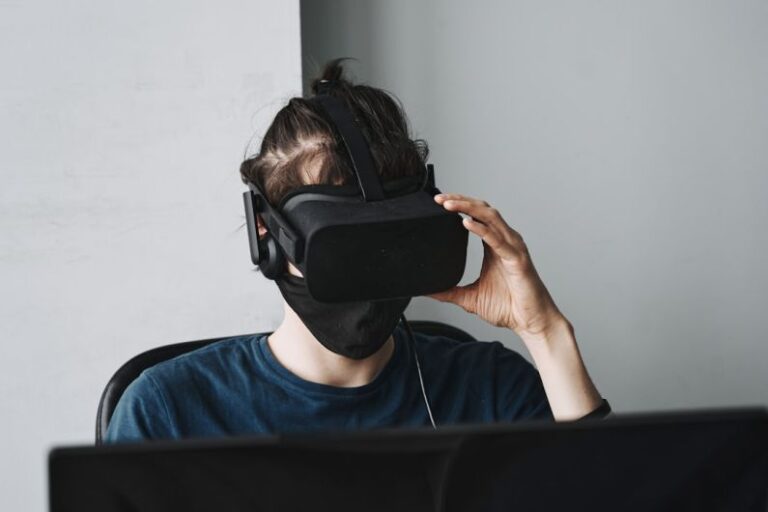
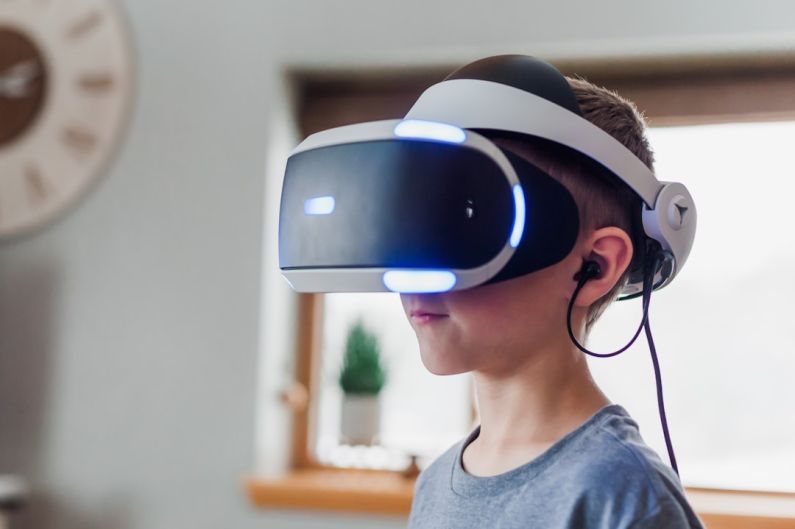
One of the key advantages of incorporating VR into tube factory layout planning is the ability to create immersive experiences that allow stakeholders to visualize the layout in a realistic and interactive manner. By wearing VR headsets, users can explore the virtual factory environment from different perspectives, gaining a deeper understanding of spatial relationships and potential bottlenecks. This enhanced visualization capability enables manufacturers to identify potential design flaws or inefficiencies early in the planning process, leading to cost savings and improved operational performance.
Real-Time Collaboration and Decision-Making
Another significant benefit of utilizing VR in tube factory layout planning is the facilitation of real-time collaboration among team members and stakeholders. With VR technology, geographically dispersed teams can come together in a shared virtual space to review and discuss the layout design, make revisions on the fly, and reach consensus on critical decisions. This level of collaboration fosters creativity, innovation, and efficiency, as all parties involved can actively participate in the planning process and contribute their expertise to the project.
Streamlined Design Iterations and Optimization
VR technology enables manufacturers to rapidly prototype and iterate on different layout designs, allowing them to test various configurations and scenarios without the need for physical prototypes or costly modifications. By making real-time adjustments in the virtual environment, designers can quickly assess the impact of design changes on workflow, material flow, and equipment placement, leading to optimized layouts that maximize space utilization and operational efficiency. This iterative approach to layout planning results in faster decision-making and ensures that the final design meets the specific requirements and constraints of the tube factory.
Human-Centered Design and Ergonomics
Incorporating VR into tube factory layout planning also allows manufacturers to prioritize human-centered design principles and ergonomic considerations in the layout design. By simulating the movements of workers and equipment within the virtual environment, designers can analyze the ergonomics of the workspace, identify potential safety hazards, and optimize the layout to enhance worker comfort and productivity. This focus on human factors not only improves employee satisfaction and well-being but also reduces the risk of workplace injuries and enhances overall operational efficiency.
Cost-Effective Training and Simulation
Beyond the initial planning phase, VR technology can also be leveraged for training purposes and ongoing simulation of tube factory operations. By creating virtual training modules and simulations, manufacturers can familiarize employees with the layout and equipment, conduct safety drills, and test different operational scenarios in a risk-free environment. This immersive training experience not only improves employee readiness and performance but also reduces the costs associated with traditional training methods and downtime due to accidents or errors.
Empowering Future Innovations in Tube Factory Layout Planning
As technology continues to advance, the role of virtual reality in tube factory layout planning will only continue to expand and evolve. From AI-driven design optimization algorithms to IoT-enabled smart factories, VR technology will serve as a catalyst for innovation, efficiency, and sustainability in the manufacturing industry. By embracing VR as a powerful tool for layout planning, manufacturers can unlock new possibilities, streamline processes, and stay ahead of the competition in an increasingly complex and dynamic market landscape.