Water Management: the Growing Demand for Durable Tubing Solutions
In the realm of water management, the importance of durable tubing solutions cannot be overstated. As populations grow, urbanization expands, and climate change impacts water resources, the need for efficient and reliable water transportation systems is on the rise. In this article, we will explore the key factors driving the demand for durable tubing solutions in water management and the benefits they offer in ensuring the sustainable and effective distribution of water resources.
The Need for Reliable Water Infrastructure
One of the primary drivers behind the growing demand for durable tubing solutions in water management is the need for reliable water infrastructure. Aging pipelines and tubing systems are increasingly prone to leaks, breaks, and corrosion, leading to water loss, contamination, and disruptions in supply. As a result, water utilities and municipalities are seeking modern and durable tubing solutions that can withstand the test of time and ensure the efficient and safe transportation of water.
Climate Change and Water Scarcity
Climate change is another significant factor contributing to the demand for durable tubing solutions in water management. Rising global temperatures, changing precipitation patterns, and more frequent extreme weather events are putting pressure on water resources and exacerbating water scarcity in many regions. To adapt to these challenges, water managers are turning to advanced tubing materials that can resist corrosion, erosion, and degradation, even under the most demanding environmental conditions.
Efficiency and Cost-Effectiveness
Efficiency and cost-effectiveness are crucial considerations in water management, where every drop of water counts. Durable tubing solutions offer superior performance and longevity compared to traditional materials, reducing the need for frequent maintenance and replacements. By investing in durable tubing systems, water utilities can lower operating costs, minimize water loss, and improve the overall efficiency of their water distribution networks.
Advancements in Material Technology
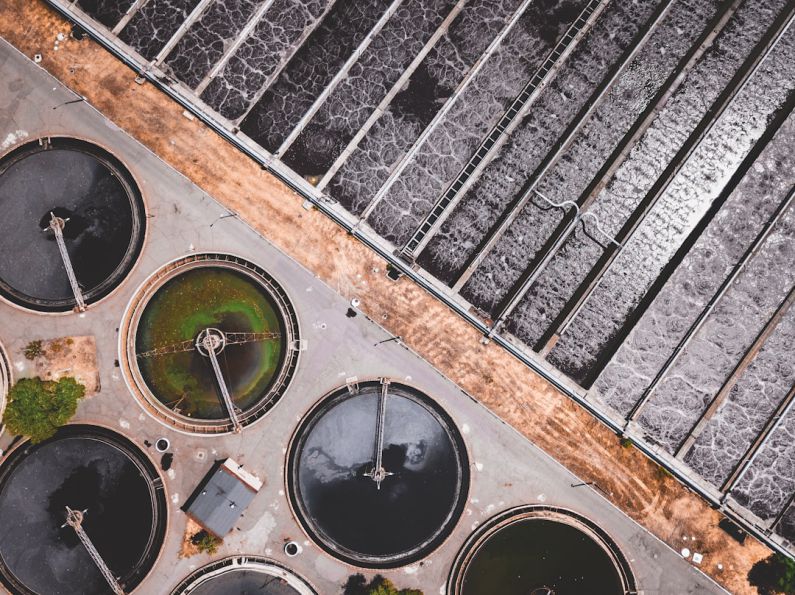
Recent advancements in material technology have revolutionized the field of water management, offering a wide range of innovative tubing solutions that combine strength, flexibility, and longevity. High-density polyethylene (HDPE), polyvinyl chloride (PVC), and cross-linked polyethylene (PEX) are among the most popular materials used in modern water tubing systems. These materials are resistant to chemicals, abrasion, and UV radiation, making them ideal for applications in water treatment plants, distribution networks, and irrigation systems.
Sustainability and Environmental Impact
The sustainability of water infrastructure is a growing concern for many communities around the world. Durable tubing solutions not only contribute to the efficient management of water resources but also help reduce the environmental impact of water distribution systems. By choosing long-lasting materials that require minimal maintenance and have low embodied energy, water utilities can promote sustainability and reduce their carbon footprint.
Ensuring Water Quality and Safety
Water quality and safety are paramount in water management, where even minor contamination can have serious health consequences. Durable tubing solutions play a critical role in maintaining the integrity of water distribution systems and preventing leaks, breaks, and infiltration of pollutants. By investing in high-quality tubing materials and installation practices, water utilities can ensure the delivery of clean and safe water to consumers.
The Future of Water Management
As the demand for water continues to grow and the challenges of climate change intensify, the importance of durable tubing solutions in water management will only increase. By embracing innovative materials, technologies, and design practices, water utilities can build resilient and sustainable water infrastructure that meets the needs of present and future generations. With a focus on durability, efficiency, and environmental responsibility, the future of water management looks promising.